
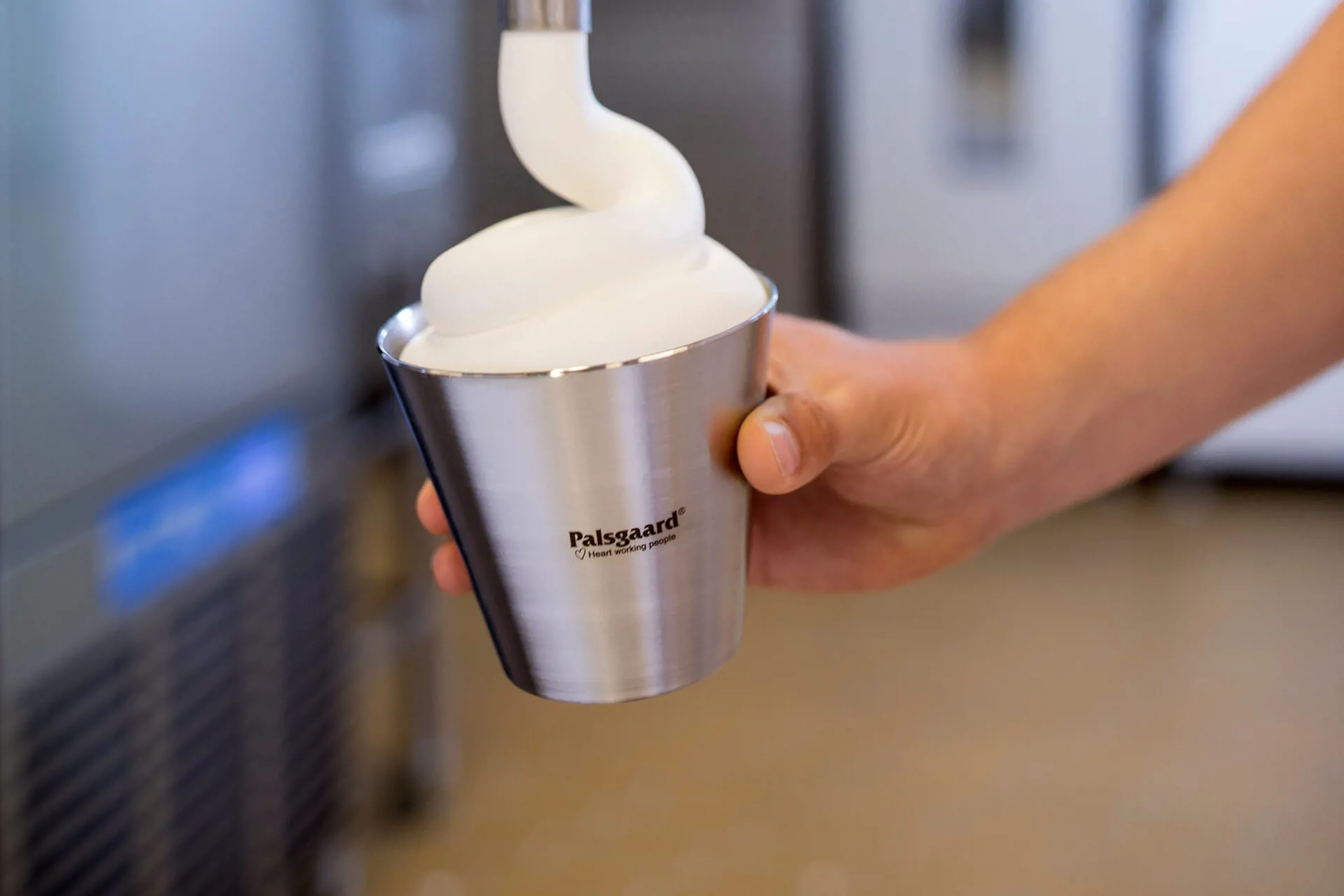
TROUBLESHOOTING BY PALSGAARD
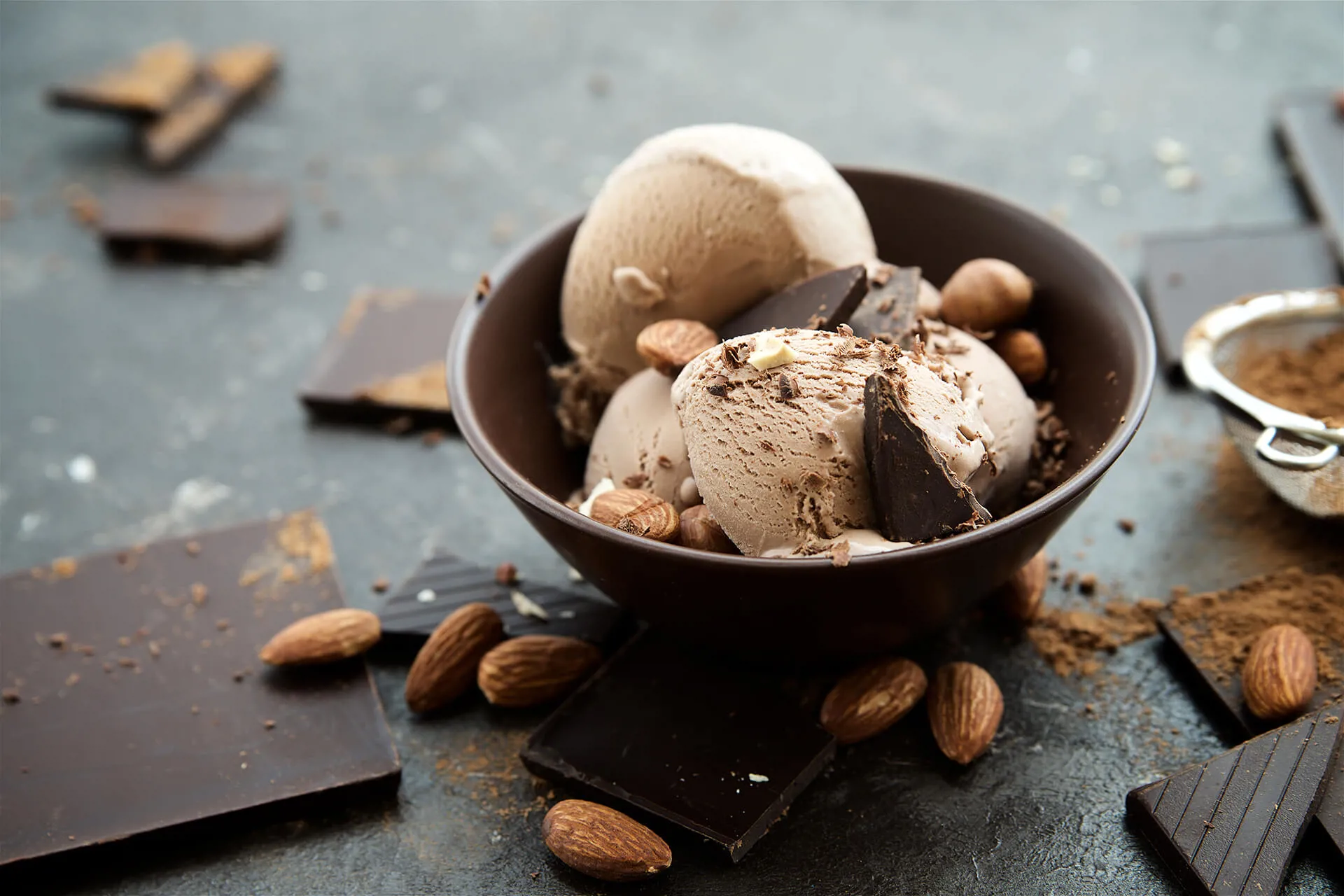
Imagine your most wildly indulgent ice cream. Does it ripple with tropical fruit, crunch with nutty brittle and tingle your tastebuds with its crisp sorbet shell? Maybe it even packs a hit of plant-based protein – all in one small, calorie-conscious serving.
Now think about the ice cream base.
That’s another story. Because no matter how innovative you get, the base still has to be… well, the same.
You rely on it for the processability, heat-shock stability, meltdown and eating properties that get your ice cream brand on the market – and keep it deliciously indulgent, right to the end of its shelf life.
Taking care of the base is another innovation challenge entirely.
At Palsgaard, we know exactly what that involves. Through more than 60 years of partnering with the ice cream industry, we’ve tested solutions for just about every new trend. So, when you run into a hurdle during product development, we can help you over it.
Claus Prior Hansen, Palsgaard’s Innovation Manager & Senior Innovation Scientist, works at the heart of these challenges. Drawing on extensive experience with ice cream formulation and processing, he helps manufacturers turn new concepts and consumer trends into products that deliver the right stability, texture and eating experience.
Here’s our take on four of the biggest ice cream trends right now, the challenges you could face and how to solve them.

Claus Prior Hansen, Innovation Manager & Senior Innovation Scientist
Trend 1: Multi-sensory indulgence is all about texture
Whatever the trend, wherever the market, if there’s one thing that can really test a product developer’s skillset, it’s texture. How an ice cream feels and melts in the mouth and how it delivers flavour depend on it. In other words, getting texture right is fundamental.
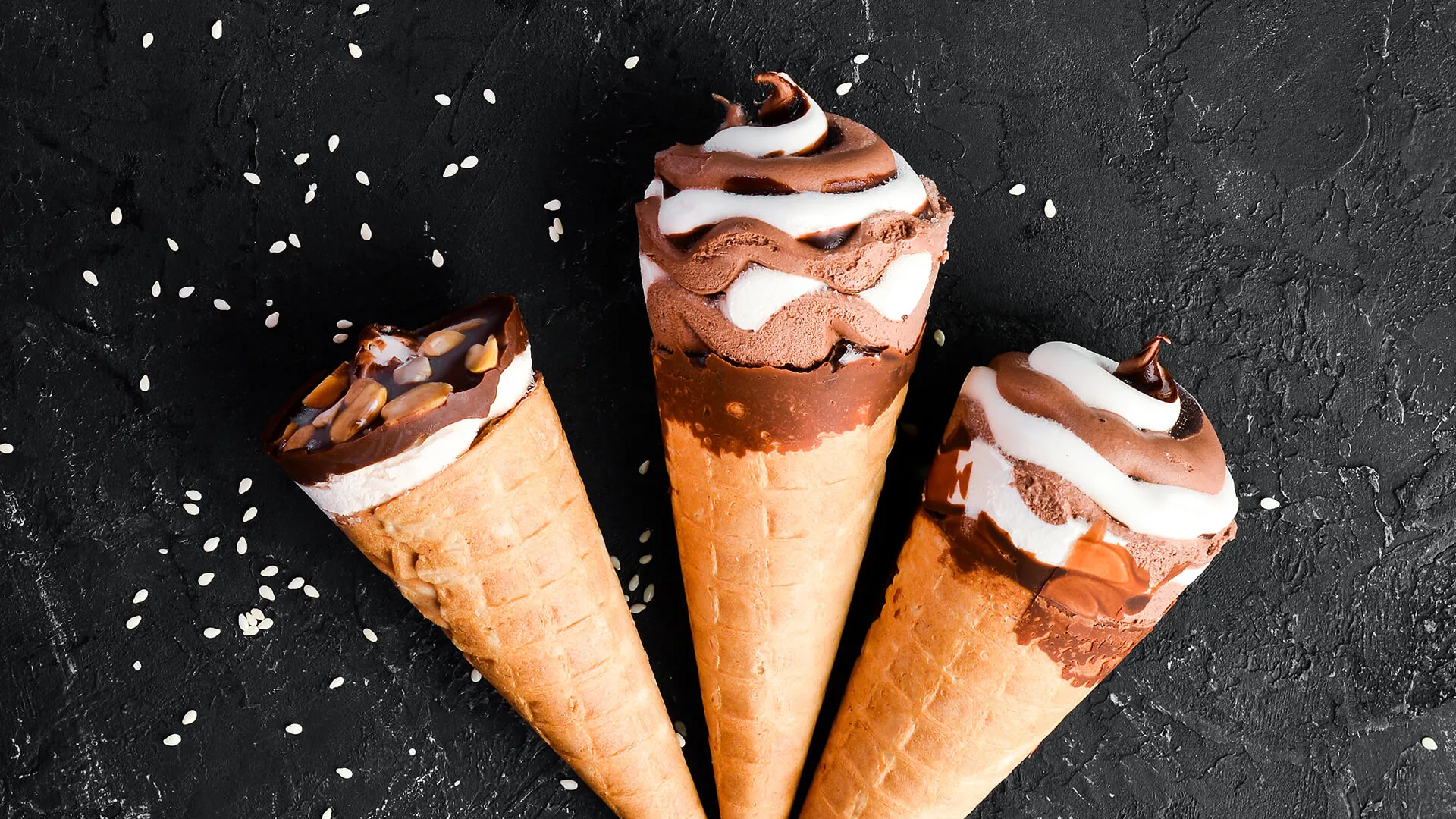
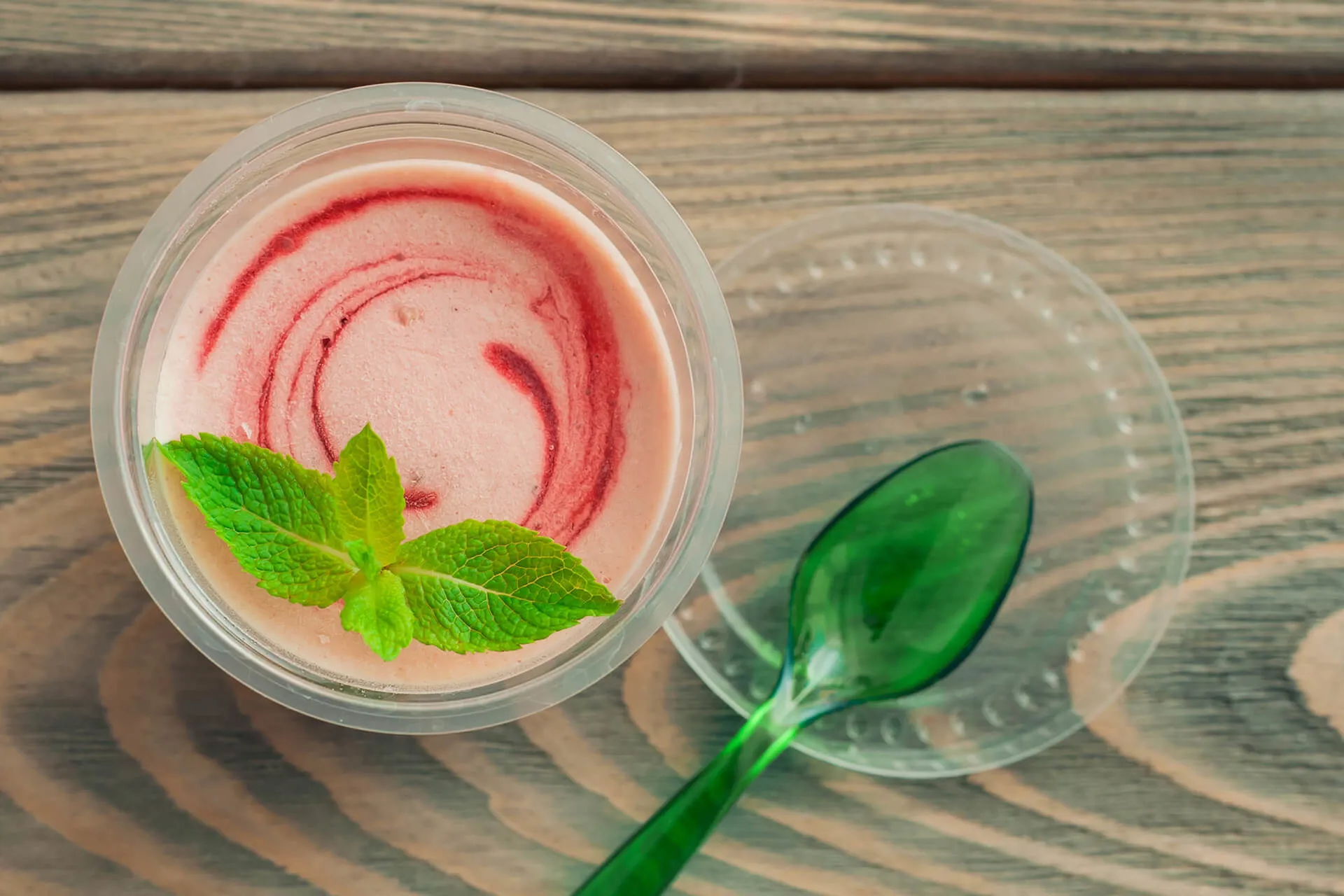
Right now a major global trend is turning ice cream into a playground for multi-sensory indulgence. Driven by consumer demand for excitement, more manufacturers are differentiating their brand with new inclusions and layers that range widely from crunchy nuts, fruit pieces and cake or cookie chunks to silky fudge, caramel and fruit ripples.
Each of these add-ins has a textural impact. A fruit ripple, for example, can migrate into the ice cream, causing it to soften, while a cookie chunk may absorb some of the unfrozen serum that keeps an ice cream smooth and scoopable. Both scenarios have a negative effect on product stability and, inevitably, the consumer eating experience.
It all adds up to a complex challenge. Our goal at Palsgaard is to make sure the ice cream base meets consumer expectations no matter what – with no functional compromises during processing and shelf life.
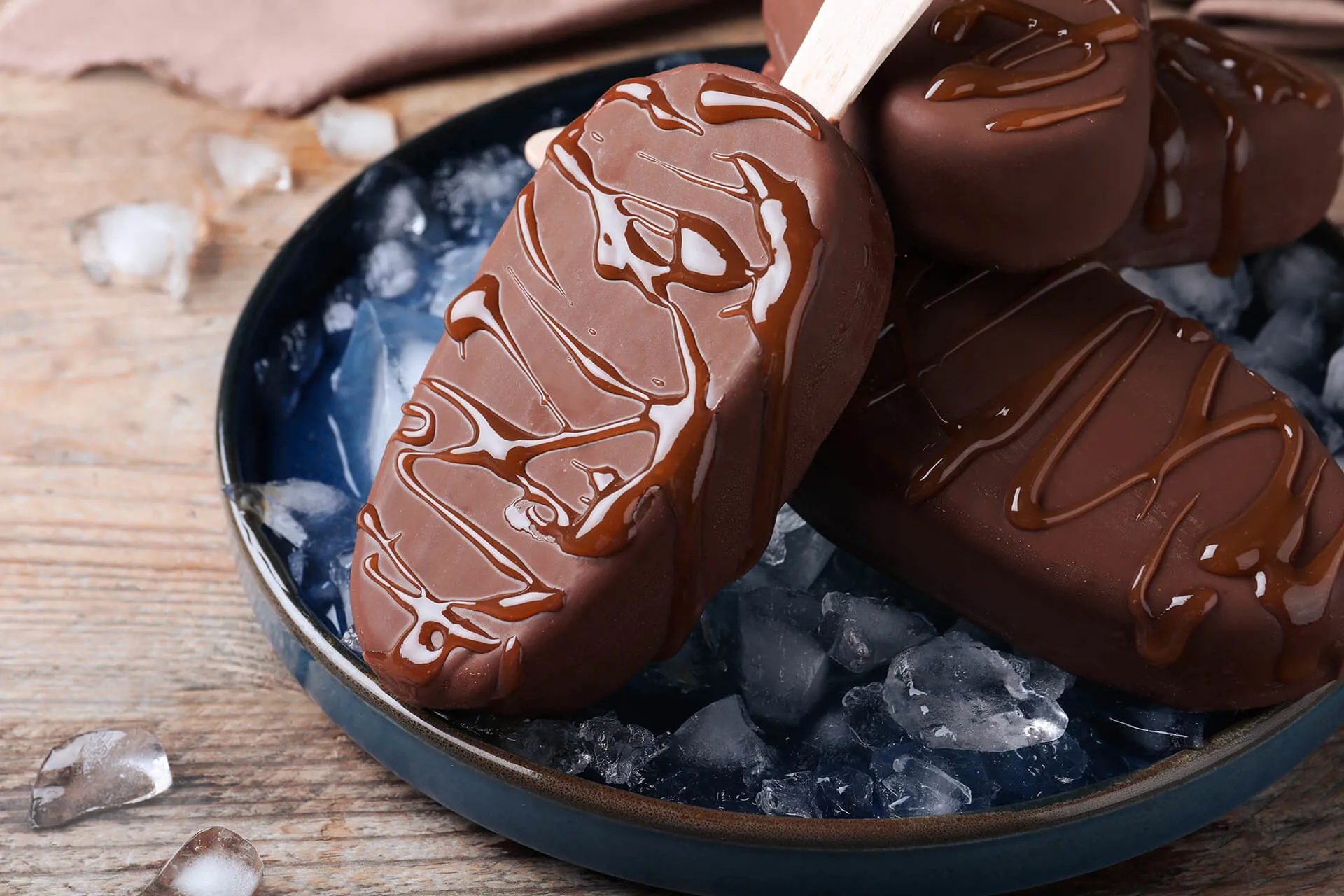
“Because inclusions dilute the ice cream mix, we have to compensate for the change in texture, melting properties and extrusion functionality. Our ingredient solutions make ice cream more resilient. That could be by tailoring the ice cream base to minimise the impact of migrating sugar syrup from a ripple. Or it could be by minimising ice crystal growth so ice cream stays creamy.”
Claus Prior Hansen, Innovation Manager & Senior Innovation Scientist
Trend 2: Planet-friendly innovation from plant-based to hybrid
The plant-based trend has posed a new set of challenges for the ice cream industry at almost every level. While a traditional ice cream base is influenced by seasonal variations in milk quality, it cannot compare with the huge differences between proteins from diverse plant sources. Every plant protein has its own distinctive functionality.
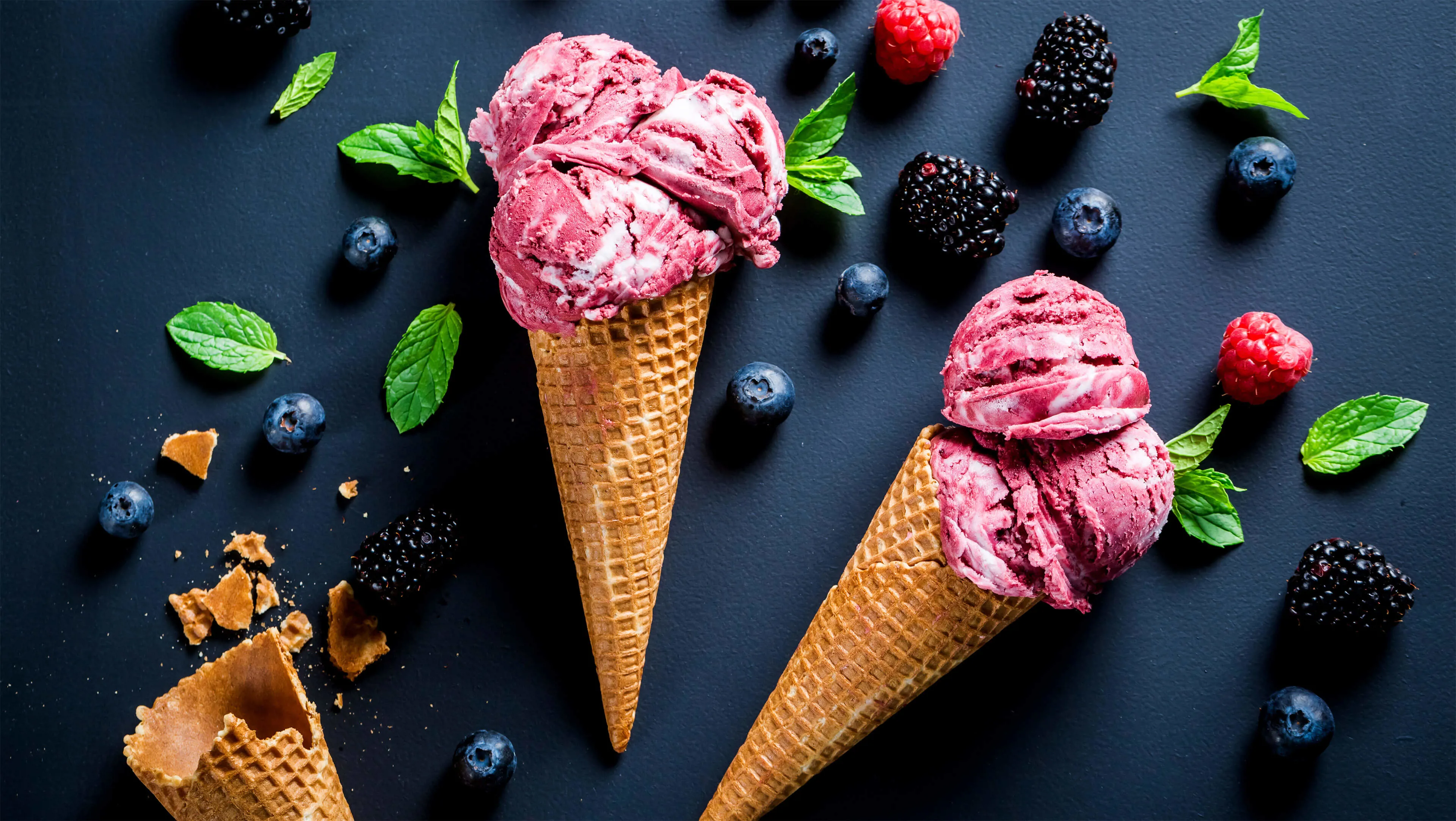
Concerns about climate and the environment drive consumer demand for ice cream brands with a lower carbon footprint. That’s where plant-based alternatives to dairy come in. According to Mintel, 61% of global consumers are switching to a more plant-based diet in an effort to lead a more sustainable lifestyle.
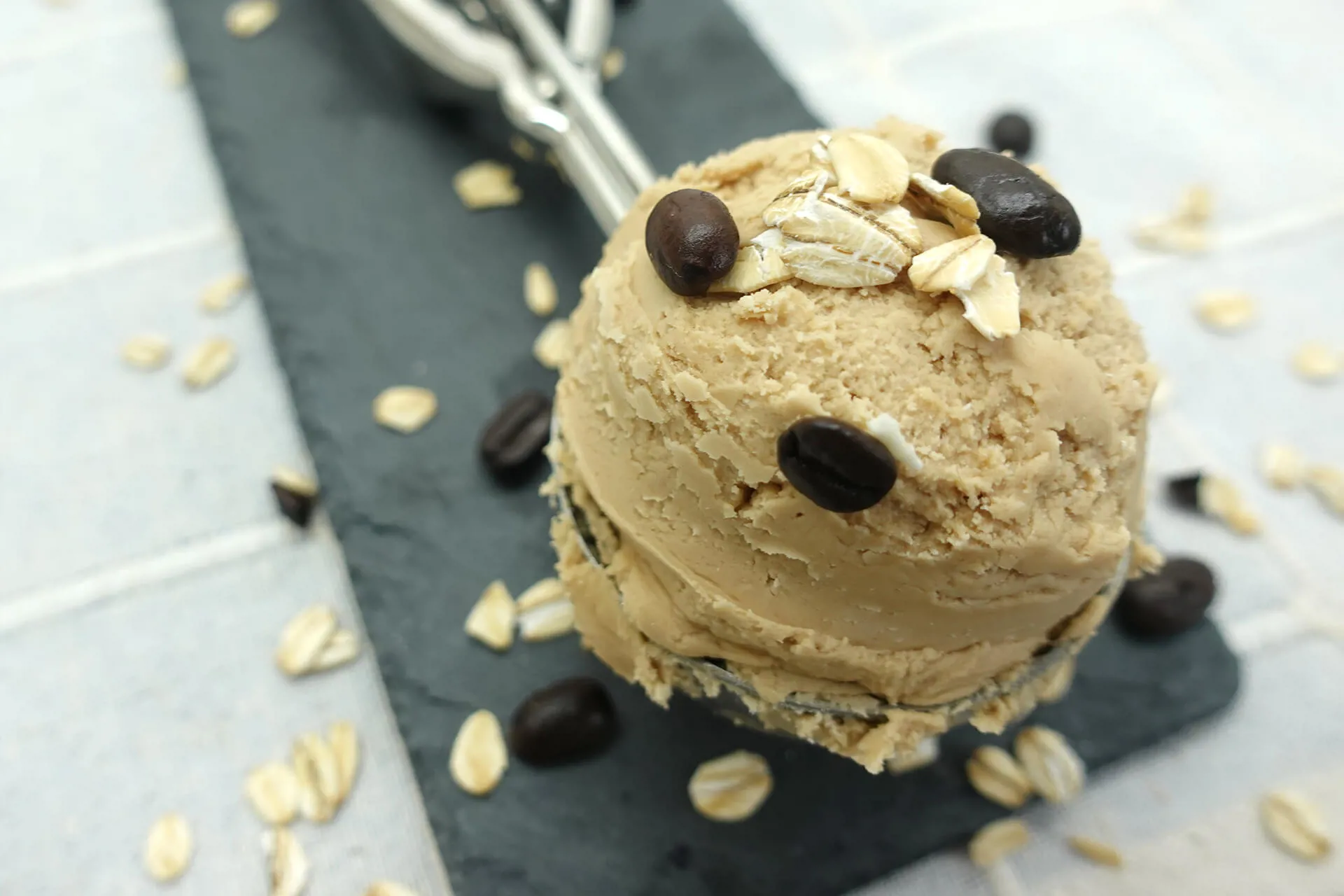
At Palsgaard, we’ve run tests on a range of oat, soy, pea, almond and rice proteins. Perhaps the biggest challenge concerns overrun – the stable incorporation of air in the mix that ensures a warm-eating creaminess. Our results tell us that everything is possible, with many opportunities for new texture and taste profiles.
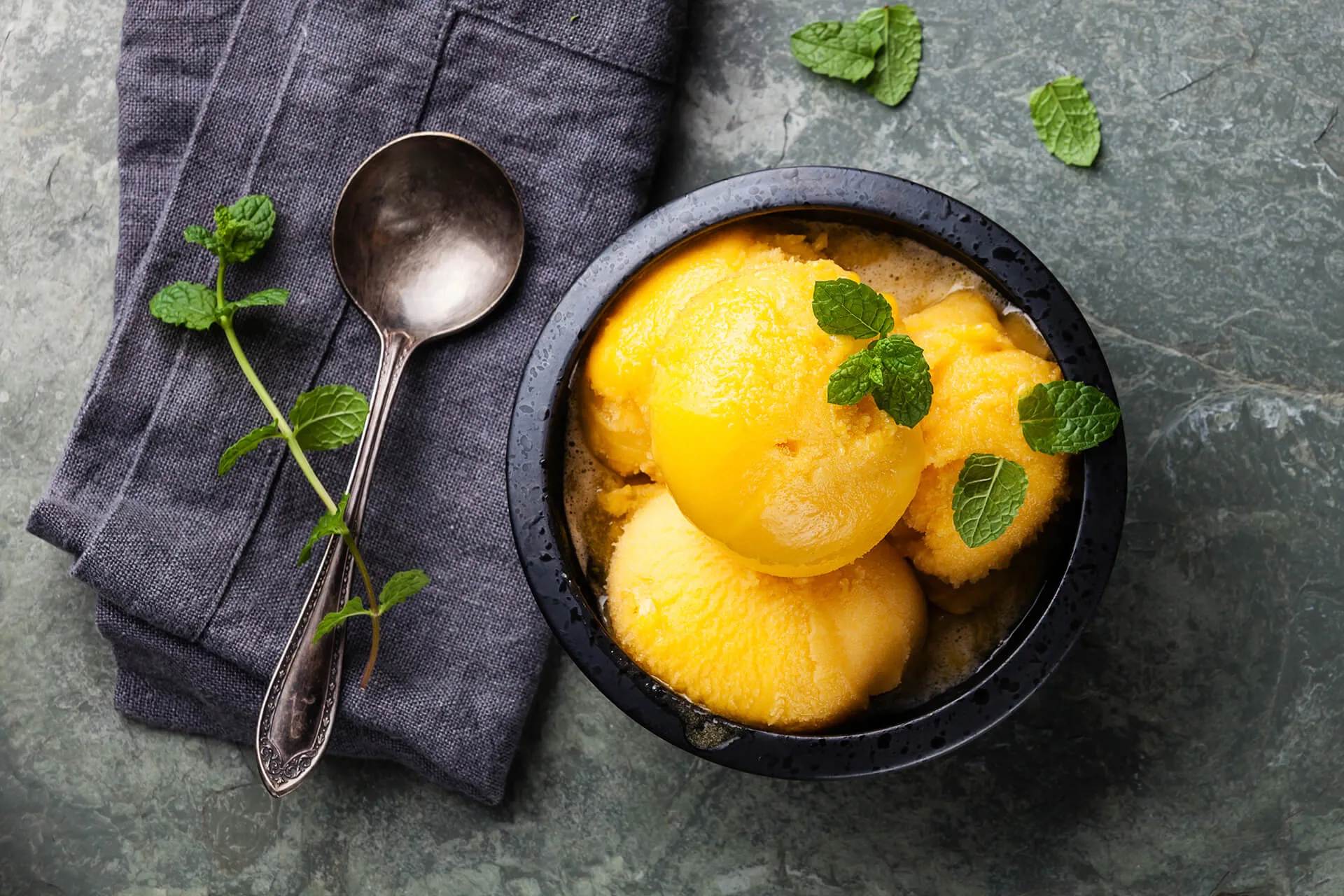
“The plant-based trend in ice cream appears to have stalled for now, largely due to taste perceptions and price. We expect to see more indulgent hybrid products that combine dairy and plant proteins in the years ahead. Our solutions are, incidentally, also plant-based, making them entirely suitable for the planet-friendly segment.”
Claus Prior Hansen, Innovation Manager & Senior Innovation Scientist
Trend 3: Health muscles in on ice cream indulgence
Ice cream rhymes with indulgence, but there’s no escaping the growing demand for healthier options that are low in sugar and fat or high in protein. The trend is permissible indulgence, driven by consumers who crave comforting treats that promise to do good for body and mind.
For manufacturers and their ingredient suppliers, expert knowledge of how ice cream works is a must to keep enjoyment on the menu.
The point is that fat and sugar play a key functional role. Fat is integral to ice cream structure and creaminess, while sugar adds solids and lowers the freezing point, ensuring a soft and scoopable texture. Taking them out means finding ways to make up the shortfall.
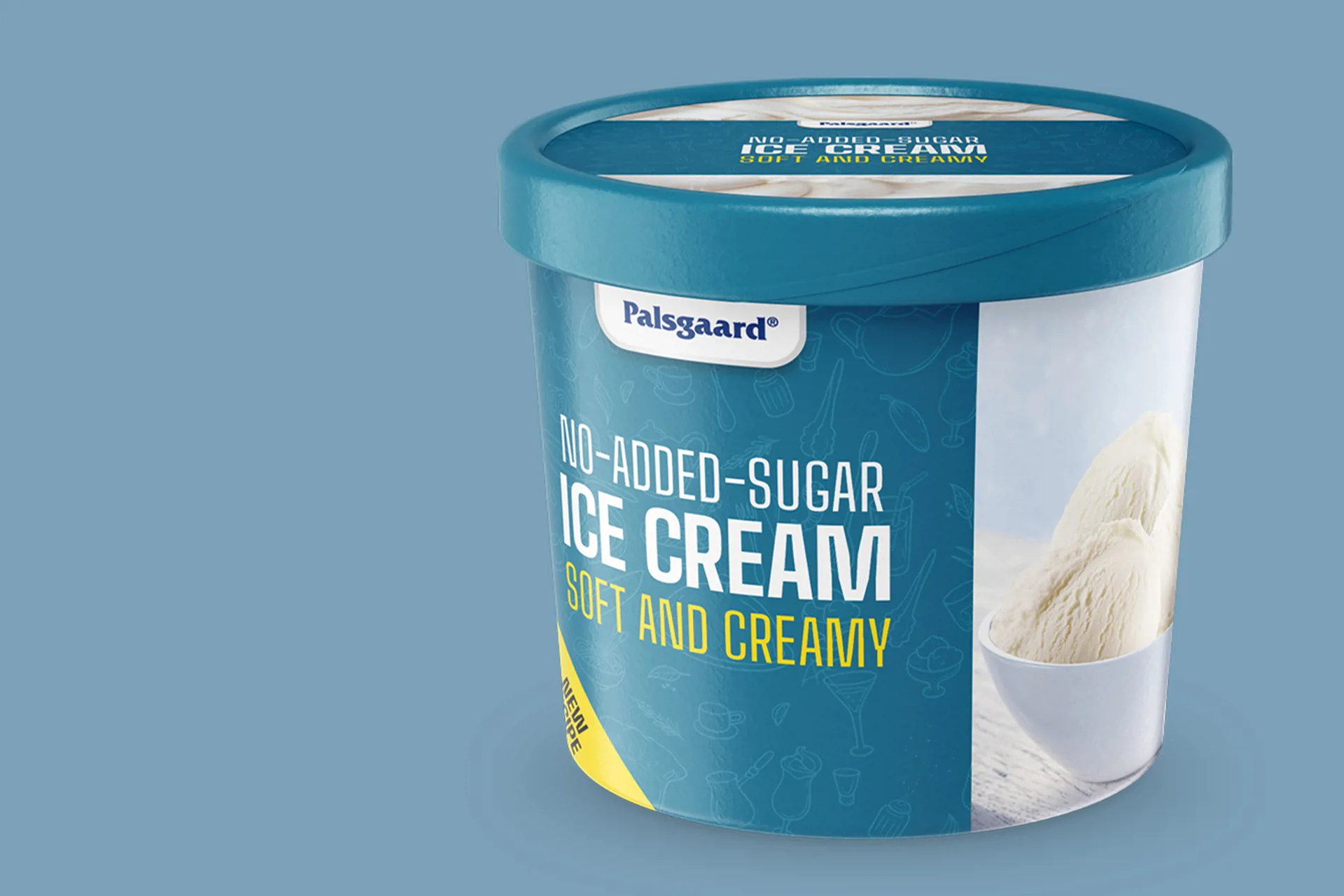
Our ice cream team has carried out countless trials to support and enable the developing permissible indulgence trend. Today, we can help manufacturers reduce saturated fat by up to 60% and replace added sugars entirely. Using our solutions, it’s possible to make ice cream with up to 15% protein. All while delivering the indulgence that consumers prefer at an acceptable price.
“It makes a world of difference to choose the right alternatives to fat or sugar and the best source of added protein. The next step is to balance the ice cream formulation and process. With less than 1% emulsifiers and stabilisers, it’s possible to adapt creaminess, mouthfeel and melting resistance precisely to market needs.”
Claus Prior Hansen, Innovation Manager & Senior Innovation Scientist
Trend 4: Size matters in novelty ice cream
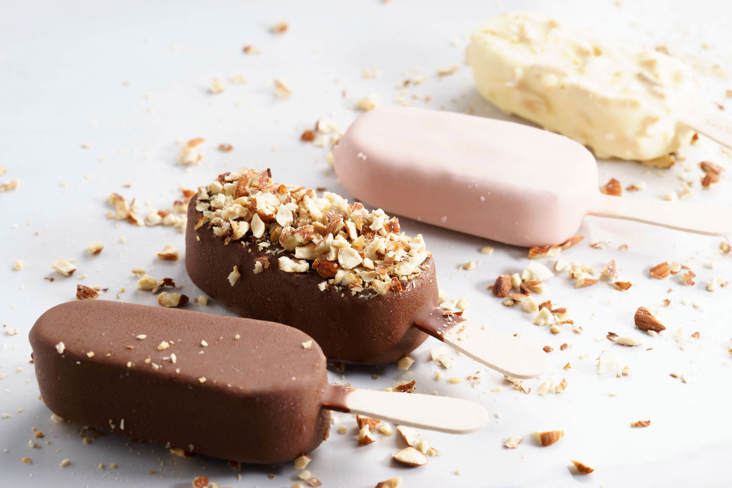
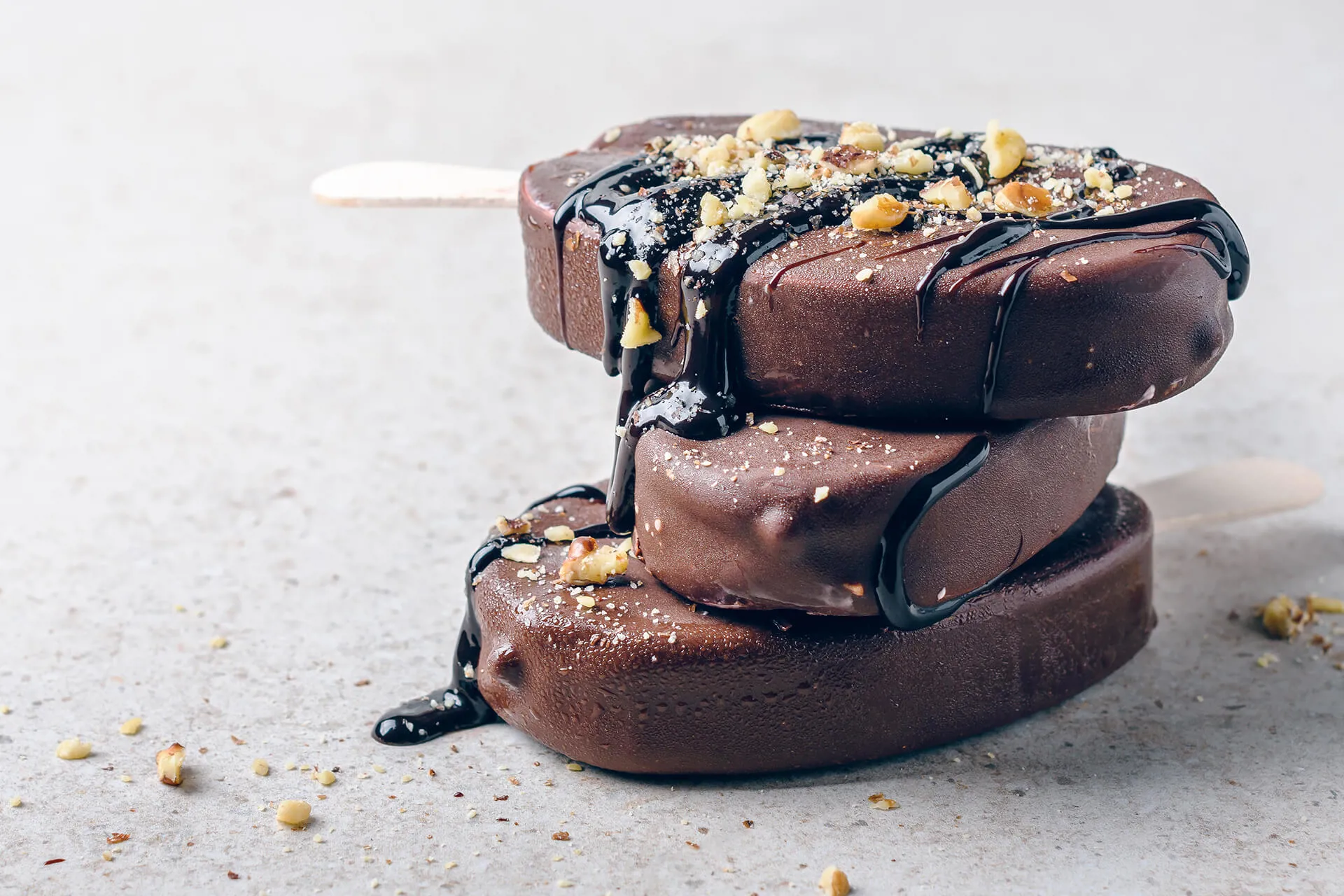
Great ice cream is not just about the recipe. Size matters too. As mini and bite-size formats grow in popularity, so does their sensitivity to temperature fluctuations – and, with it, the risk of textural change and shrinkage.
A mini version of a well-known brand needs to be identical in everything but size. The key is a precise adjustment of the mix to stabilise texture, mouthfeel and appearance. For us at Palsgaard, it’s simply an extension of what we’ve always done – tailoring emulsifier and stabiliser solutions to our customers’ needs.
Three in five global consumers say they prefer a smaller serving of their favourite ice cream to a standard but less indulgent format (Mintel). It’s something we hear in our ongoing dialogue with manufacturers, too.
That’s why we expect to see more of these novel formats in the years ahead. We’ve already worked on recipes for frozen confectionery, bonbons and fruit-filled balls.
“Even though our solutions make up only a small part of the recipe, our role is to deliver the high-quality base manufacturers rely on—regardless of format, coating, inclusion or flavour. Because every great ice cream starts with a great base.”
Claus Prior Hansen, Innovation Manager & Senior Innovation Scientist
Palsgaard solutions for ice cream are tailored blends of emulsifiers and stabilisers. It’s the ‘tailored’ part that helps manufacturers satisfy consumer expectations for ice cream innovation – while ensuring the uniform quality of regular brand products.
Want to hear more about how we can support the development of your ice cream brand? Drop us a line or send an email. We look forward to the conversation.
TROUBLESHOOTING BY PALSGAARD

TECHNICAL ARTICLE
TECHNICAL ARTICLE
TECHNICAL ARTICLE
TECHNICAL ARTICLE
TECHNICAL ARTICLE

TECHNICAL ARTICLE
TECHNICAL ARTICLE